
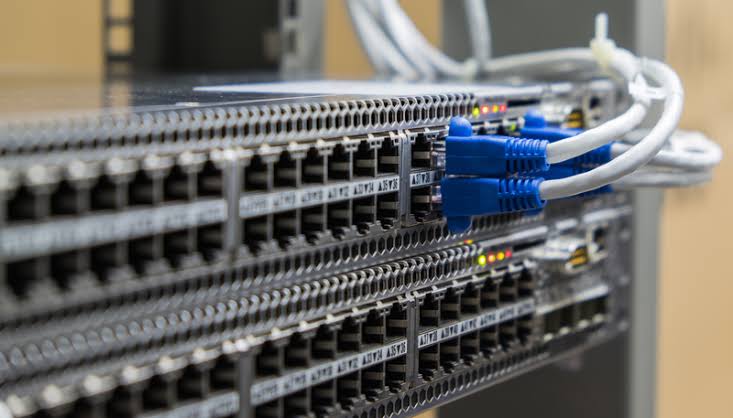

A reliable network depends on having the right equipment working together. Among the most important components of a business network is the network switch.
Switches connect computers, servers, access points, printers, cameras and other network devices, allowing them to communicate efficiently within a network.
However, not every switch is designed for the same environment. Choosing the right solution requires an understanding of the network’s current requirements as well as its expected future needs.
What Does a Network Switch Do?
A network switch connects multiple devices within a network and manages the flow of data between them.
For example, computers in an office may connect to a central switch, while servers, wireless access points, printers and other equipment can also be connected to the same network infrastructure.
The switch helps ensure that information reaches the appropriate device efficiently.
Consider the Number of Ports
One of the first things to consider when selecting a switch is the number of devices that need to be connected.
Small networks may only require a switch with a limited number of ports, while larger businesses may need switches with significantly more connections.
It is also useful to consider future expansion. Selecting a switch with additional available ports can make it easier to add devices as the business grows.
Speed Matters
Network switches are available with different connection speeds. The appropriate speed depends on the requirements of the network and the devices being connected.
Businesses handling large amounts of data, operating servers or using demanding applications may benefit from higher-speed network connections.
Choosing equipment that can support the required data speeds helps prevent the network from becoming a bottleneck.
Managed vs Unmanaged Switches
Another important consideration is whether a managed or unmanaged switch is appropriate.
Unmanaged switches are generally simpler to deploy and can be suitable for basic network environments.
Managed switches provide greater control over the network. They can allow administrators to configure and monitor network traffic, create VLANs and implement additional network management features.
For businesses with more complex networking requirements, managed switching can provide greater flexibility and control.
Power Over Ethernet
Some network switches support Power over Ethernet, commonly known as PoE.
PoE allows compatible devices such as wireless access points, IP cameras and VoIP phones to receive power through the network cable itself.
This can simplify installation by reducing the need for separate power connections at each device.
Building a Scalable Network
A good network switch should meet the requirements of the business today while allowing room for future growth.
The number of ports, connection speeds, management features, PoE support and compatibility with other networking equipment should all be considered before making a decision.
The Right Equipment Makes a Difference
A network switch may look like a simple piece of hardware, but it plays an important role in the performance and reliability of a network.
Selecting the right equipment and combining it with quality cabling, routers and other network infrastructure can help businesses create a dependable and scalable environment.
At NETONIT TECH LTD, we provide networking equipment and solutions designed to support reliable business connectivity.
Need help selecting the right network equipment? Contact NETONIT TECH LTD and let us help you find a solution suited to your network requirements.